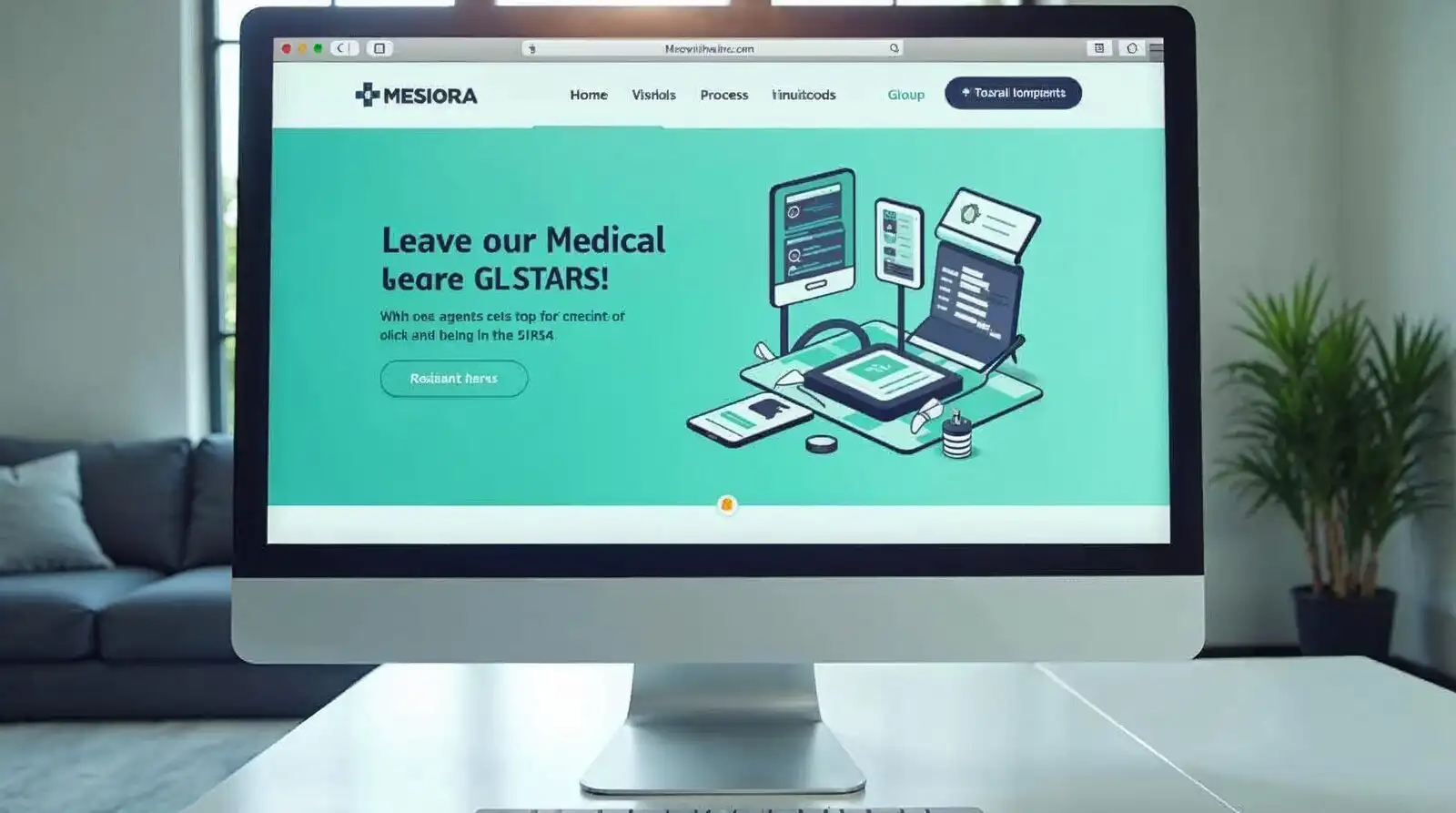
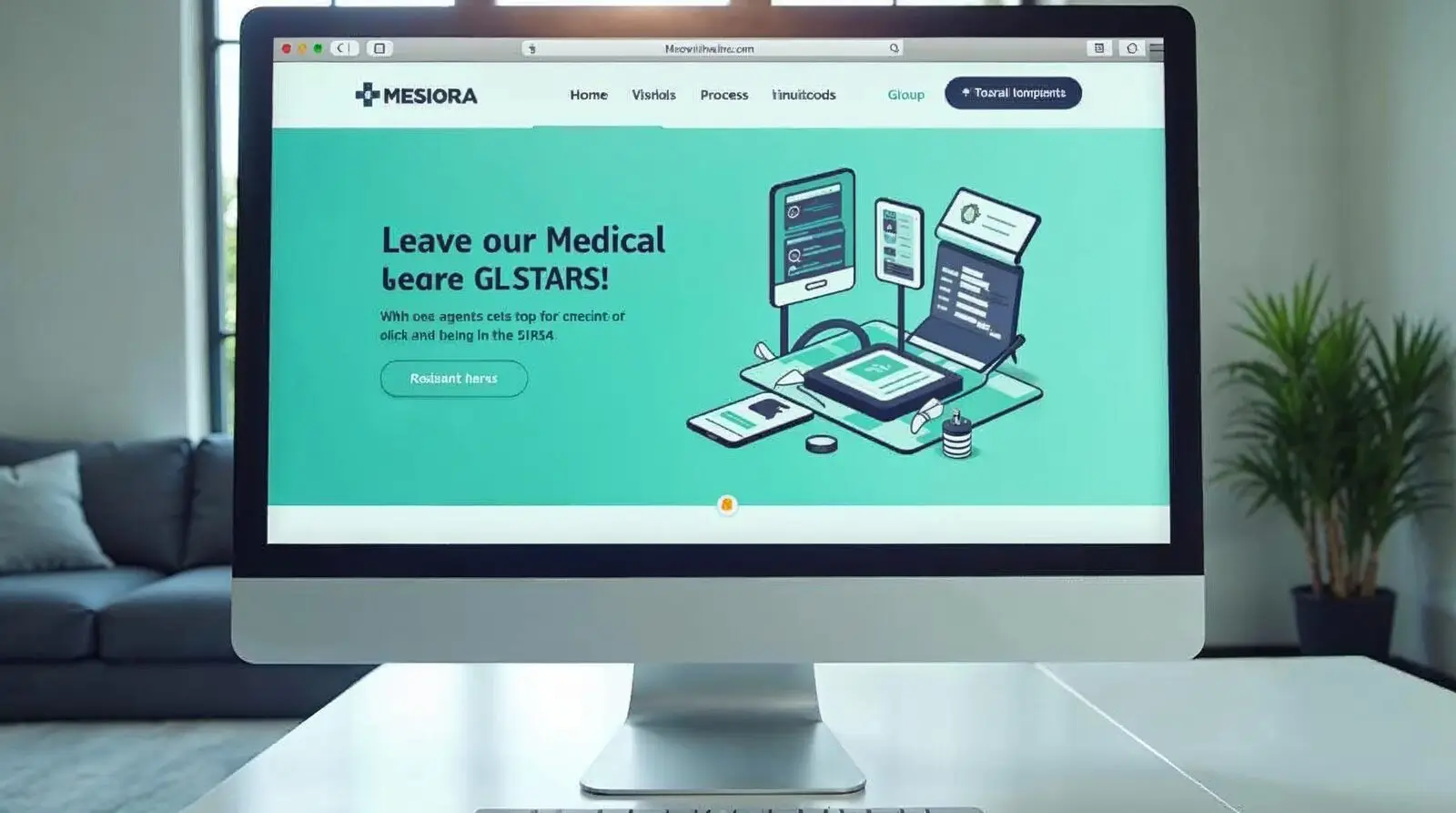
FMLA Now connects employees who need medical leave with licensed healthcare providers who can evaluate and certify their conditions. The platform handles everything: scheduling, telehealth evaluations, certification paperwork, and follow-up. I designed it, built it, and continue to lead all technology decisions as fractional CTO.
What started as a simple idea turned into a full-scale healthcare technology platform serving patients across all 50 states. How we got there:
The Problem
Getting FMLA certification shouldn't be complicated, but for most people it is. You need a doctor's appointment, the right paperwork, and a provider who understands the FMLA process. Many primary care doctors don't fill out FMLA forms regularly, which means delays, incomplete paperwork, and back-and-forth with HR departments.
The founder saw this gap and wanted to build a service that made the whole process simple: get online, talk to a doctor, and walk away with your certification. But there was no platform to make that happen. They needed someone to figure out the technology side from scratch and make it real.
My Role
I'm not just the developer on this project. I've been the fractional CTO since day one, which means I own the full technology picture. That includes:
- Architecture decisions on what to build versus what to buy
- Platform design for the patient-facing website, booking system, and provider workflows
- Third-party integrations connecting scheduling, telehealth, payment processing, and analytics
- SEO and growth infrastructure built into the site from day one
- Ongoing technical leadership as the platform scales and adds new programs
I also designed the entire visual identity and user experience. Every page, every flow, every pixel went through my hands.
The Approach
WordPress + GetHealthie Integration
For the public-facing site, I chose WordPress. It's the right tool for this job. The marketing team needs to publish content, update state program pages, and make changes without waiting on a developer. WordPress gives them that independence.
The clinical side runs on GetHealthie, a telehealth platform built for healthcare providers. Rather than trying to build HIPAA-compliant video conferencing and medical records from scratch (which would've been expensive, slow, and risky), I integrated GetHealthie for scheduling, evaluations, and patient management. It handles the healthcare-specific compliance requirements while the WordPress site handles acquisition and education.

State-by-State Program Pages
FMLA is a federal program, but many states have their own paid leave programs with different rules, eligibility requirements, and certification processes. FMLA Now currently supports 12 state programs including California PFL, New York PFL, New Jersey TDB, and Massachusetts PFML.
I built a scalable page structure so each state program gets its own dedicated landing page with state-specific information, pricing, FAQs, and calls to action. This isn't just good for users who need to understand their options. It's an SEO play. Each page targets state-specific search terms like "FMLA certification California" or "New Jersey temporary disability certification," pulling in organic traffic from people actively looking for help.
Analytics and Tracking Infrastructure
Healthcare marketing has unique challenges, especially around attribution and conversion tracking. I implemented a full analytics stack: Google Analytics 4 for behavior tracking, Google Tag Manager for event management, Facebook Pixel for paid acquisition attribution, Sentry for error monitoring, and Fathom Analytics as a privacy-friendly backup.
This layered approach means the team can see exactly where patients are coming from, which pages convert best, and where people drop off in the booking funnel. That data drives decisions on where to invest marketing dollars.
Conversion-Focused Design
Medical leave is a stressful topic. People visiting fmlanow.com are often dealing with a serious health condition and navigating a confusing process for the first time. The design needed to feel trustworthy and calming, not clinical and cold.
I built the site around a teal and navy color palette with plenty of white space, clear typography, and a clear information hierarchy. The booking flow is designed to get patients from "I need help" to "I have an appointment" in as few clicks as possible. Pricing is transparent ($49 for a 30-minute evaluation), and every page reinforces the core value proposition: get certified, get back to what matters.
The Results
FMLA Now launched in 2024 and has grown steadily since:
- 20,000+ evaluations completed across all 50 states
- 96% patient satisfaction rating
- 12 state paid leave programs supported with dedicated landing pages
- 30-minute average evaluation time from booking to certification
- Full organic search presence for state-specific FMLA and paid leave terms
- HIPAA-compliant architecture with GetHealthie handling all clinical data and patient records
The platform continues to grow. New state programs get added as legislation passes, and the marketing team can launch new pages without any developer involvement.
What Made This Work
The biggest decision on this project was knowing what not to build. A lot of founders in the healthcare space try to build everything custom: their own telehealth system, their own EHR, their own compliance infrastructure. That's a money pit.
Instead, I picked the right tools for each piece of the puzzle and stitched them together into a cohesive experience. WordPress handles content and SEO. GetHealthie handles the clinical workflow. GA4, GTM, and Facebook Pixel handle attribution. Sentry catches errors before patients notice them. Each tool does what it's best at, and the patient experience feels like a single system.
The other thing that made this work: I'm not just a contractor who shows up, writes code, and disappears. As fractional CTO, I'm involved in the business decisions that affect technology. When the team wants to add a new state program, I'm part of that conversation from the start. When there's a marketing strategy shift, I make sure the technical infrastructure supports it. That continuity matters.
Key takeaway: In healthcare technology, the smartest architecture is often the one that avoids building what someone else has already built (and certified). Focus your custom work on the patient experience and growth infrastructure, not on reinventing compliance wheels.