Jeremiah's Italian Ice is one of Florida's fastest-growing frozen dessert brands. When they came to me, their website was built entirely in Adobe Flash. It didn't load on most phones, couldn't be indexed by search engines, and gave customers no way to find locations, check flavors, or place orders online.
They needed more than a redesign. They needed a complete digital platform that could keep up with the speed of their franchise expansion.
The Problem
The existing site was a product of a different era. Flash-based, desktop-only, and functionally a dead end. Customers searching for "Jeremiah's near me" on their phones hit a wall. No mobile experience, no location data, no way to engage beyond looking at a static page (if it loaded at all).
Meanwhile, the franchise was expanding fast. New locations were opening regularly, and the marketing team had no tools to keep the website updated. Every change required developer involvement. Flavors, hours, new locations, seasonal menus: all bottlenecked behind a site that couldn't support the business.
The Approach
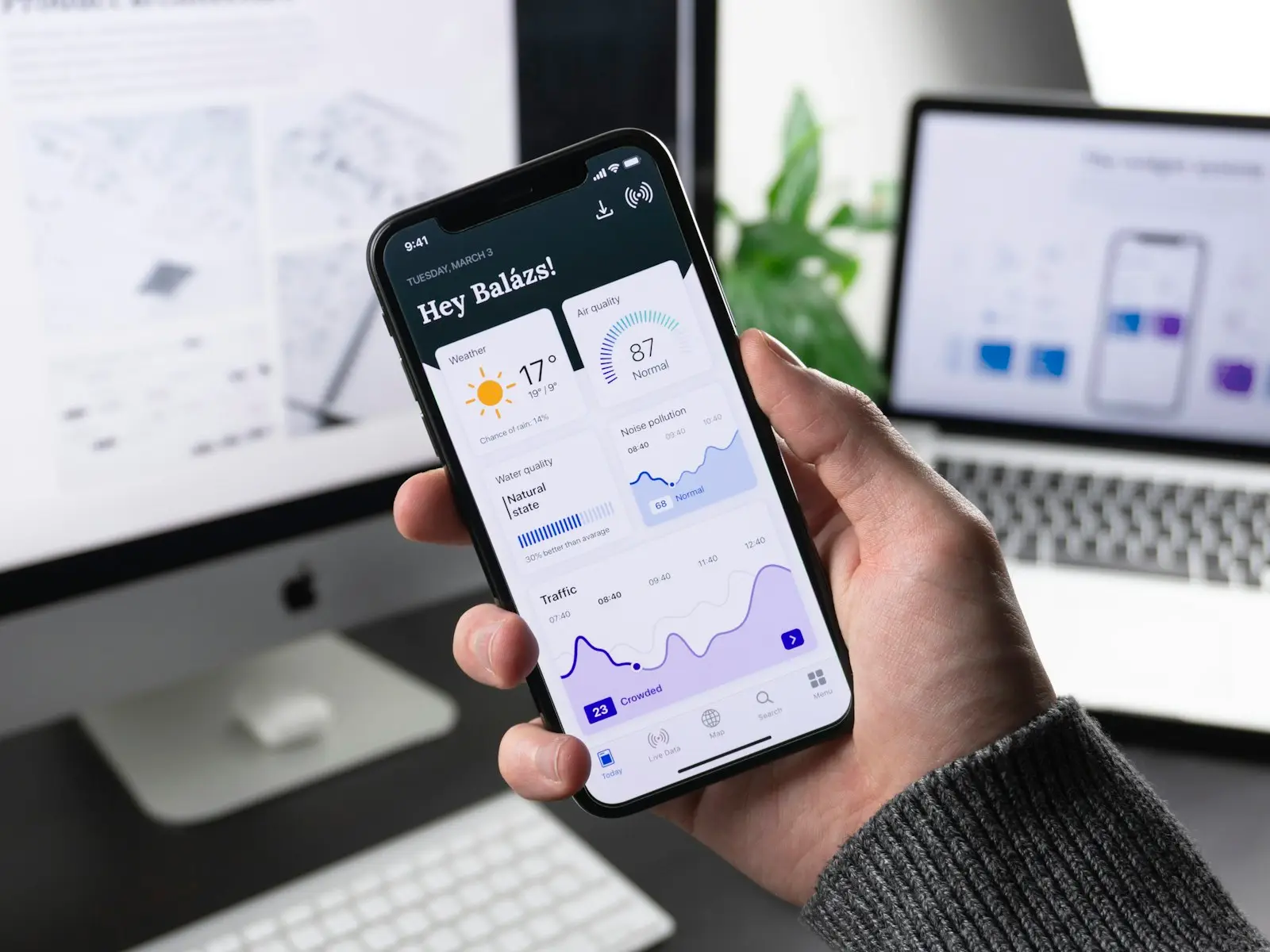
I approached this mobile-first, as the starting point rather than a later adaptation. Every feature began with its phone experience, then scaled up to desktop. For a brand whose customers are out and about looking for their nearest location, this was non-negotiable.
Location Finder
The centerpiece of the new site. I built a location finder powered by the Google Maps API that detects a visitor's position automatically and surfaces the closest Jeremiah's locations. Visitors can also search by address or zip code. On mobile, this works in seconds: open the site, see what's nearby, get directions.
J-List Rewards Program
Jeremiah's had an existing loyalty program called the J-List, but it was largely paper-based. I digitized the whole thing. Members can now create accounts, log in, select favorite locations and flavors, and access exclusive coupons, product announcements, and birthday perks. Since launching, the J-List has averaged over 200 new signups per day, roughly 6,000 new subscribers per month.
Daily Flavor & Menu Updates
Jeremiah's rotates flavors frequently, and customers want to know what's available before they drive over. I built a CMS that lets each location publish their current flavors in real time. No developer needed, no code changes, no waiting. The marketing team and individual franchise operators can update menus themselves.
ASCEND CMS
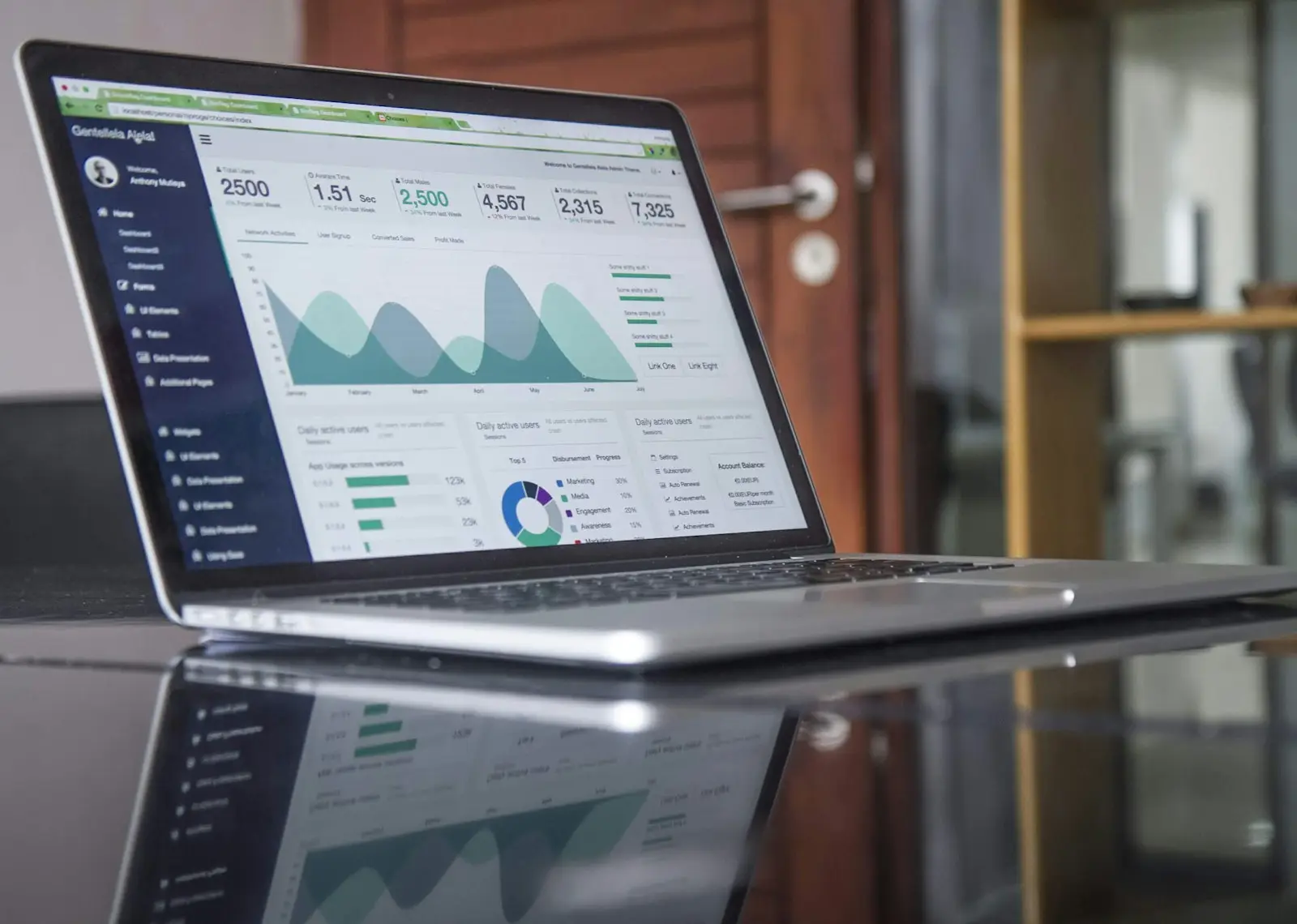
The site runs on ASCEND, a custom content management system I built from the ground up. For Jeremiah's, ASCEND does more than power the public website. It handles eCommerce for Party Bucket orders, manages warehouse-level production data, powers customer contact workflows, and drives 4K digital menu boards at select store locations. One back-end system running the entire digital operation.
The Results
The new site launched in Spring 2017 and immediately changed how Jeremiah's connected with customers:
- 200+ J-List signups per day (approximately 6,000 new subscribers per month)
- 40% increase in online orders through integrated ordering and Party Bucket eCommerce
- Full mobile experience replacing a Flash site that showed nothing on phones
- Self-service CMS that eliminated developer bottlenecks for content updates
- Location finder with automatic geolocation driving foot traffic to stores
- 4K digital menu boards powered by the same back-end system as the website
What Made This Work
This project worked because we didn't just build a website. We built the digital infrastructure the business needed to scale. The location finder, the rewards program, the CMS, the menu boards: these are all parts of a single connected system that grows with the franchise.
A template or off-the-shelf solution would have covered the basics: a homepage, a location page, maybe a contact form. But it wouldn't have handled real-time flavor updates across dozens of locations, a loyalty program with thousands of daily signups, warehouse-level eCommerce, or in-store digital signage. This project needed custom engineering, and the results reflect that.
Key takeaway: When a business is scaling fast, the website can't be an afterthought. It needs to be a platform that supports operations, marketing, and customer experience at the same time.