
Healthcare marketing and website design, so your staff spend less time on screens and more on patients.
Between charting, insurance paperwork and a front desk that never stops ringing, your team barely has time to practice medicine. I help practices in Orlando, Tampa and Sarasota get found, fill the schedule, and move the busywork off the front desk, with a HIPAA-minded website and AI that handles intake.
You got into medicine to help people. Not to fight paperwork.
But here you are. Your best people are buried in admin, your systems don't talk to each other, and every new regulation adds another layer of complexity. These are the problems I solve.
HIPAA Keeps You Stuck
Every new tool has to pass a compliance gauntlet. So most practices just avoid new technology altogether. You know there are better ways to run things, but the risk of getting it wrong feels too high.
No-Shows Are Killing Revenue
When 20-30% of patients don't show up, that's not a scheduling problem. It's a revenue problem. Your staff is making reminder calls that don't get answered, and empty slots are costing you thousands every month.
Patient Data Is Everywhere
Charts in the EHR, faxes on the machine, intake forms in a folder, lab results in an email. Your providers spend half their day hunting for information instead of using it.
Paperwork Is Burning Out Your Staff
Insurance verification, prior auths, coding, billing, intake forms. Your front desk is buried. Your clinical team is typing more than they're treating. And good people are quitting because of it.
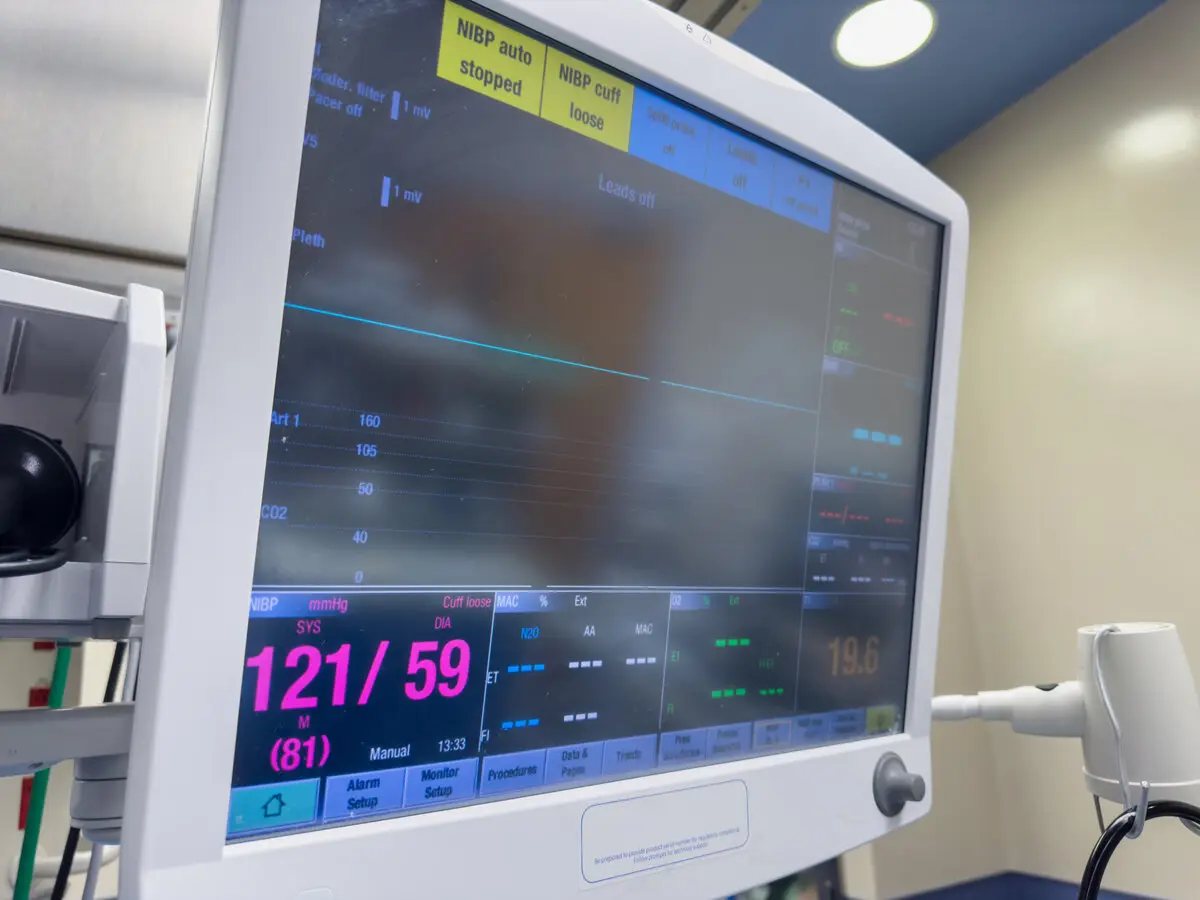
The clinical work is yours. The rest is mine.
AI Integration & Strategy
Almost everything crushing a front desk is administrative. That makes it exactly the right place for automation, and exactly the wrong place for anything clinical. So it absorbs the overflow calls. It offers real appointment slots. It sends reminders people actually read. It collects intake paperwork before the visit, and handles records and refill requests. Triage and anything shaping care stays with your clinicians, by design. More on how AI agents take administrative load off the front desk.
Overflow calls answered
Instead of a hold queue
Real slots offered
Not a promise to ring back
Intake before the visit
Paperwork done at home
Reminders that land
Fewer empty chairs
Records and refills
Routine requests, routed
Never triages
Clinical hands off to a person
Fractional CTO
Independent practices end up with an EHR chosen years ago, a patient portal nobody likes, a scheduling tool bolted on afterwards, and a website from a vendor who has since disappeared. Each holds part of the patient and none of them agree. I work out what's worth keeping, connect what remains, and give you an opinion on the next pitch from somebody who isn't selling it. More on how fractional CTO works for a practice without an IT director.
What's worth keeping
And what to retire
Systems connected
Site, scheduling, and EHR
Built to HIPAA requirements
Policy stays with you
Cost per new patient
Not impressions
Vendor pitches assessed
By someone not selling
Senior help, part-time
No executive hire
Web Design & Custom Software
Patients aren't comparing your credentials to the hospital's. They're working out three things. Whether you treat their problem. Whether you take their insurance. And how soon they can be seen. A site that answers those quickly, loads fast, and works properly with a screen reader will out-convert a handsome one that buries them. See what goes into web design and custom software for practices.
Condition pages, not lists
How you treat it, specifically
Insurance answered upfront
The first real question
Scheduling that works
Under a minute, on a phone
Genuinely accessible
Screen readers included
Built for local search
Your area, not the region
Custom tools when needed
Intake, portals, calculators
The bottleneck is almost never clinical.
In most independent practices the constraint is not capacity to treat people. It's everything that has to happen before and after the appointment, and that work sits on a front desk that is already at its limit.
The phone is the whole funnel
For most practices the phone is still the only real way in, which makes the front desk a single point of failure.
New patients
The ones you never hear from
Scheduling
And every reschedule
Refills
Which cannot wait
Results
The call people are anxious about
When it's saturated the patient who can't get through does not leave a voicemail. They call the next practice on the list, and you never learn they existed.
Empty slots cost more than marketing
A no-show or a late cancellation is revenue that cannot be recovered. The hour is gone whether or not anyone fills it.
Reminders that reach people
Text, not a voicemail
Rescheduling in two taps
Instead of a phone call
A waitlist that fills gaps
Automatically, same day
The math
You already paid to acquire them
This usually returns more than the same spend on new patient acquisition.
Where I stop, deliberately
Everything above is administrative. None of it touches clinical judgment, and that boundary is drawn on purpose rather than out of caution.
Scheduling
Mine
Reminders, forms, follow-up
Mine
Triage
Yours, always
Anything shaping care
Yours, always
I build systems that hand off rather than guess.

The front desk gets its day back.
Get found, fill the schedule, and take the busywork off your front desk. Day to day, this is the difference.
Booking & Intake
Patients schedule and check in any hour
No-Shows
Automatic reminders across text and email
You List
Profile pages built to rank in local search
Not Rented
Custom tools instead of another subscription
Do you take my insurance? I shouldn't have to call to find out.
Four things to ask anyone.
Worth settling before we talk. Ask them of anyone you're considering, me included.
I don't use templates.
Designed from scratch, coded by hand. Every decision has a reason behind it. That part is non-negotiable.
I don't outsource.
The work happens here, at my desk. That's a limit as much as a promise, and it's why I turn down more than I take on.
You'll always get me.
Not an account manager. Not a different one next quarter. I build it, and I'm the one who picks up two years later.
You own all of it.
Domain, code, ad accounts, analytics. In your name from day one, and it stays that way if you ever leave.
How I work with medical practices.
This is easier said now than after two calls. Where I help a practice most, and where I'd refer you on to somebody better suited.
Where I do my best work
Your phones. The front desk is buried, hold times are long, and patients who give up rarely call back a second time.
Your admin load. Staff spend their day on scheduling, reminders, forms, and records requests instead of patients.
Your ranking. Hospital systems and directories sit above you for the conditions you treat.
Your no-shows. Empty slots cost you more than marketing does, and nobody has time to work a waitlist.
Your website. It looks clinical and produces almost nothing.
Where I'm the wrong call
Your EHR. You need Epic, athenahealth, eClinicalWorks, or NextGen administered and supported. I build around those and feed them, I don't run them.
Your compliance. You need someone to own HIPAA policy, training, risk assessments, and audits. I build to those requirements, I don't act as your compliance officer.
Your clinical decisions. You want AI involved in triage, diagnosis, or anything that shapes care. I won't build that, and you shouldn't want me to.
Your equipment. You need someone on site, or a tech when an exam room workstation fails.
Your timeline. It has to launch immediately with no time from anyone at the practice.
What administrators want answered.
How much does a healthcare practice website cost?
Is this HIPAA compliant?
Do you work with our EHR?
Will AI be making any clinical decisions?
How do we compete with the hospital systems outranking us?
We're not anywhere near Florida. Does that matter?
Who do you work best with?
Brands and businesses I've built for

















Work in a neighboring field? I also help dental practices and senior care and home health, and the problems overlap more than you would think.
Let's get the front desk its day back.
Tell me what the phone looks like on a Monday. That usually says everything. Practices around Orlando and Tampa.
An honest conversation about your goals, and a straight answer either way.