
Restaurant marketing and web design that fills tables without paying the middleman.
Every booking through a marketplace costs you a cut. Every order through an app costs you another. I build the sites, the local SEO and the systems that send hotels, restaurants and venues in Orlando, Tampa and Sarasota their own guests instead.
Great hospitality deserves great technology.
You're in the business of creating memorable experiences. But operational headaches keep pulling your focus away from what matters most: your guests.
OTA Commission Fees
Booking.com, Expedia, and Airbnb take 15-25% of every reservation. For restaurants, UberEats and DoorDash command 20-30% per order. Those commissions eat directly into your margins on every single transaction.
Staffing Challenges
The hospitality workforce is stretched thin. You've experienced high turnover, training costs eating your budget, and the constant struggle to maintain service quality with fewer people. Every operational glitch costs you money and guest satisfaction.
Guest Experience Expectations
Your guests expect personalized recommendations, instant responses, contactless everything, and frictionless digital interactions. They're comparing you to the best experiences they've ever had, anywhere. That bar's higher than ever.
Seasonal Demand Swings
Tourism in Central Florida swings wildly. Spring break spikes, summer family travel, holiday peaks, slow shoulder seasons. Without dynamic pricing and demand forecasting, you're either leaving money on the table or sitting empty because your rates missed the mark.
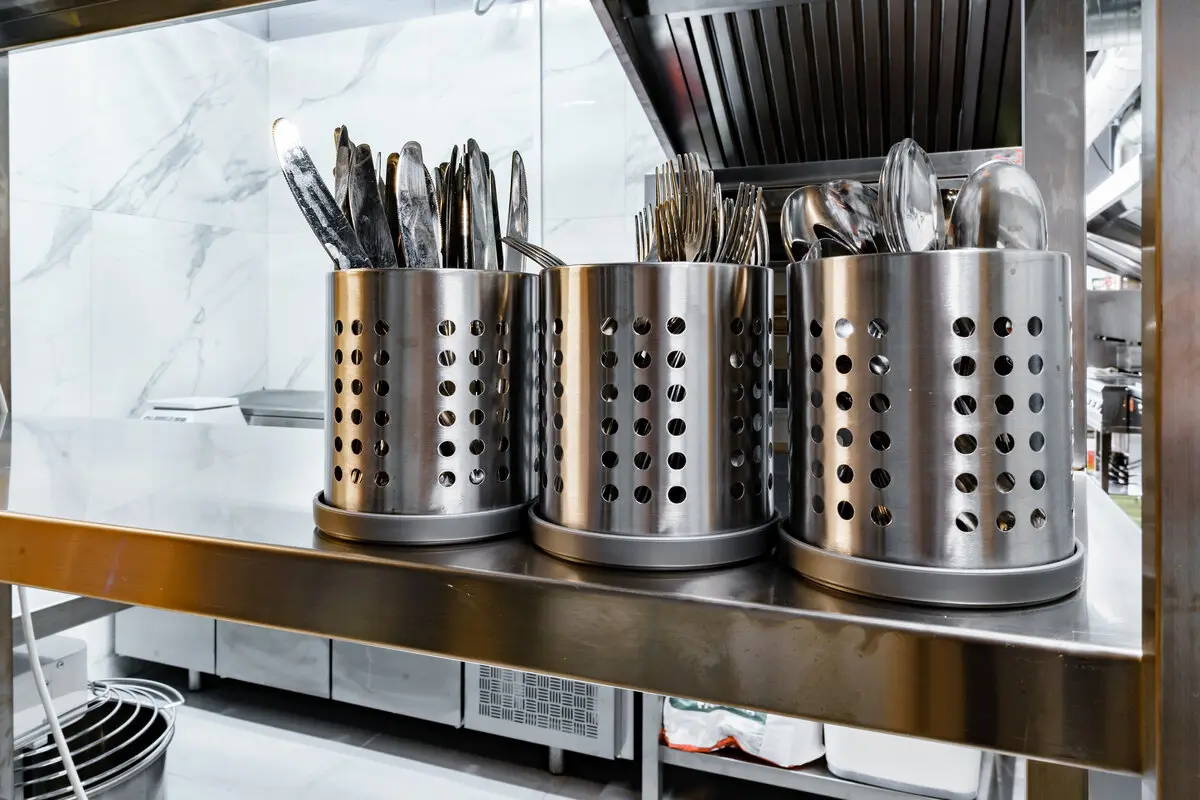
Technology that fills rooms, tables, and seats without the middleman.
AI Integration & Strategy
Hospitality runs on questions that repeat forever. Hours. Parking. Dietary. Dog policy. A room for fourteen on the tenth. So I build the thing that takes those off your floor staff. It answers at nine on a Saturday when nobody can pick up. It books the table or the room. And it routes a catering or private event inquiry to a real person, details already gathered. Complaints and judgment calls go to a human, by design. More on how AI agents handle the phone, the DMs, and the repeat guest.
Answers the phone at 9pm
Nobody leaves the floor
The same forty questions
Hours, parking, dietary, patio
Books tables and rooms
Against live availability
Event leads routed fast
Before the planner books elsewhere
Brings regulars back direct
Not through an app
Escalates real problems
A person handles a complaint
Fractional CTO
Count what you pay monthly. Point of sale. Delivery tablets. A reservation platform. Loyalty, gift cards, scheduling, a texting tool, a review widget. Some of it takes a fee and a cut. No GM is going to audit that during a dinner rush. So I do it. I connect what stays, and I tell you plainly what to cancel. This is how fractional CTO works when your GM is already running two jobs.
Every fee and cut mapped
Including the ones per order
Direct vs platform math
Per cover, per room, per ticket
Systems connected
Site, POS, bookings, guest list
Your guest data, yours
Not stuck inside an app
Contracts read before renewal
Auto-renew is the trap
Senior help, part-time
No salary, no title
Web Design & Custom Software
Most hospitality sites fail in the same three places. The menu is a PDF. The photos are old. There's no fast path to ordering, booking, or asking about a private event. Meanwhile the Google listing gets far more eyes than the site does, and hasn't been touched in a year. So I fix the listing first. Then I build a site that turns a phone browser into a direct order or a direct booking. See what goes into web design and custom software for restaurants, hotels, and venues.
Menus in real text
A PDF ranks for nothing
Google listing rebuilt
Where people look
Order and book direct
No commission on a regular
Events and catering paths
Inquiries that don't go missing
Fast on a phone, at night
That's the whole audience
Custom tools when needed
Gift cards, house accounts, waitlists
The platforms didn't steal your guests. They just made sure you never had them in the first place.
Every hospitality business I look at pays twice for the same customer. There's the commission, which everyone complains about. Then the quieter one: the guest belongs to the app, so you pay again next time you want them.
Your listing outworks your website
Discovery happens before anyone reaches your domain. Someone searches on a phone, sees a map, and picks. A neglected Google Business Profile costs you covers every week, and it's the cheapest thing here to fix.
Photos
Three phones, three white balances
Hours
Stale, and pulled from somewhere else
The menu link
Broken more often than not
Reviews
Nobody has answered in a year
The website's job starts after that, when they've decided you're a maybe and want to know if you can seat nine at eight.
The commission is the smaller half
Fifteen to thirty percent hurts. The real bill is the relationship. When the order or the reservation lives inside the app, the guest belongs to the app.
No email
So you can't reach them again
No phone number
So you can't fix a bad night
No history
A regular looks like a stranger
No way to tell them
About the Thursday menu
Every future visit gets bought again, through the same middleman, at the same rate, forever.
Direct is where the margin is
None of it is glamorous and all of it prints. The goal isn't quitting the platforms. It's shifting the guests who already know you onto a path that doesn't charge a toll.
Direct ordering
No cut on a regular's usual
Direct booking
Yours, not the OTA's
Gift cards and events
Margin nobody is skimming
A house list you own
The asset the platforms can't take
Somebody who has eaten with you six times should not be arriving through a third party. Usually they only do because nobody gave them an easier option.

Bookings you own, guests who come back.
Cut out the middleman, answer guests fast, and keep more of every sale. Day to day, that looks like this.
Bookings
A booking engine built to outwork your OTA listings
Pricing
Rates that follow demand in real time
Guest Answers
AI concierge handling routine questions any hour
Ordering
Commission-free online ordering keeps the margin
You paid commission on a guest whose email you still don't have.
Four things to ask anyone.
Worth settling before we talk. Ask them of anyone you're considering, me included.
I don't use templates.
Designed from scratch, coded by hand. Every decision has a reason behind it. That part is non-negotiable.
I don't outsource.
The work happens here, at my desk. That's a limit as much as a promise, and it's why I turn down more than I take on.
You'll always get me.
Not an account manager. Not a different one next quarter. I build it, and I'm the one who picks up two years later.
You own all of it.
Domain, code, ad accounts, analytics. In your name from day one, and it stays that way if you ever leave.
Where AI earns its keep in hospitality, and where it has no business being.
Most of the AI sold to restaurants and hotels is a chat bubble stuck on a website that almost nobody visits. The version that pays for itself sits where the demand shows up: the phone during service, the Instagram DM at midnight, the Google message from someone standing a block away deciding between you and the place with better photos. It handles the repetitive half of guest contact, and it hands the rest to a person on purpose.
The calls and messages nobody can get to
Between six and nine, the phone is the worst job in the building. A host puts down a tray, answers, and it's a question about parking. The next one is a party of twelve for a Saturday, and that one goes to voicemail, where it dies. AI picks up every line at once and keeps a normal conversation going: hours, dietary options, whether the patio's open, room types, late checkout, deposits on a large party. It books against live availability instead of promising a table you don't have. A private event or catering inquiry arrives with the date, the headcount, and the budget already collected, so whoever calls back is starting halfway through the sale rather than at the beginning of it.
Reviews and photos are the storefront, not your homepage
For a restaurant or a hotel, most of the decision happens before anyone reaches your domain. People look at the map, the star average, how recent the photos are, and whether anybody bothered to reply to the last dozen reviews. That loop is the perfect job for automation. Every new review across Google, Yelp, and TripAdvisor gets read as it lands, a reply gets drafted in your voice for a manager to approve or rewrite, and anything describing a real operational problem gets flagged instead of buried. The ask for a review goes out at the moment it works, after checkout or a couple hours after the check drops, not whenever somebody remembers. Reputation stops depending on a manager having a quiet Tuesday.
Where I won't put it
Nothing that touches food safety. AI can tell a guest you have a gluten-free menu; it does not tell anyone a dish is safe for their allergy, and a person confirms that with the kitchen every single time. Complaints go straight to a human, fast, because a bad night gets considerably worse when software tries to smooth it over. And it never poses as staff. Guests are told plainly they're talking to an automated assistant, with an obvious way to reach a real person, because getting caught faking that costs more goodwill than the tool will ever save you in labor.
More on how AI agents handle the phone, the DMs, and the booking, or how AI automation keeps reviews, guest lists, and follow-up moving without anyone having to remember.
How I work with hotels and restaurants.
No point discovering this on call three. The work I'm built for in a hotel or a restaurant, and the work I'd hand to someone else.
Where I do my best work
Your third-party orders. The delivery apps take a cut of every ticket, keep the guest's name and email on their side of the wall, and then sell you ads to reach that same person again next month.
Your Google listing. Nine photos, three of them wrong. Hours that haven't been accurate since last season. That listing gets looked at far more than your website does.
Your bookings. OpenTable, Resy, or an OTA fills seats and rooms, bills you per cover or per night, and you still can't email the people who showed up without going back through the platform to do it.
Your slow nights. Tuesday is dead. The only thing anyone's tried is a discount post that reached forty people, most of whom already eat there.
Your phone. Parking, gluten-free, dog patio, private room for fourteen, do you take walk-ins. Every one of those pulls a person off the floor mid-rush.
Where I'm the wrong call
Your floor systems. Toast, Square, Resy, OpenTable, Cloudbeds, Mews. I connect to them, pull data out of them, and build things on top of them. Configuring menu items, training servers, or fixing a terminal at seven on a Friday is somebody else's job, and they're better at it than I'd be.
Your building. Guest wifi, ticket printers, tablets, cabling. I don't come on site.
Your feed. You want daily posts and a food shoot every month. I build the machinery behind marketing. I'm not a content studio and pretending otherwise would waste your money.
Your budget. Three quotes, low number wins. Somebody will always undercut me, and I won't chase them down to the bottom.
Your timeline. The patio opens in two weeks, the GM is covering shifts, and nobody has an hour to answer questions.
The questions that come up most.
How much does a restaurant or hotel website cost?
Can we get off DoorDash, OpenTable, and the OTAs?
Do you work with Toast, Square, Resy, or Cloudbeds?
What gets us found?
Can AI really handle our phone and messages?
Our property isn't in Central Florida. Does that matter?
What shouldn't AI touch in a restaurant or hotel?
Who do you work best with?
Brands and businesses I've built for
















Work in a neighboring field? I also help marine and tourism operators and vacation rental operators, and the problems overlap more than you would think.
Your guests. Not theirs.
One conversation and you'll know if I'm useful. Hotels, restaurants and venues, from Orlando to Tampa.
An honest conversation about your goals, and a straight answer either way.