
Custom software and apps, built for how you work.
Most companies do not need custom software. The ones that do usually know it already, because they have spent two years building workarounds on top of a tool that was never meant to do this. Almost none of this needs me in the room, which is why the client list runs well past Orlando, Tampa and Sarasota.
Build versus buy: buy it if you can.
Off-the-shelf is cheaper, somebody else maintains it, and it works on day one. That is a hard combination to beat, and most of the time you should not try.
So the useful question is not whether custom software is better. It is whether any of these three things are true of your business right now. If none of them are, buy the product and spend the money somewhere it earns more.
The workaround became the process
A spreadsheet somebody rebuilds every month because the system will not report the thing you need. Two people keying the same job into different tools. A step that happens on a sticky note because the software has nowhere to put it. None of that shows up as a line item, which is exactly why it survives for years.
Four tools each know a third of the customer
One holds the quote, one holds the job, one holds the invoice, one holds the emails, and none of them agree. You pay all four every month, and somebody on your team is the integration. Sometimes the answer is connecting what you have. Sometimes it is cheaper to build the one thing that does the job.
What you compete on is the manual part
Most businesses have one process they do better than their competitors, and it is often the least automated, because no product exists for something this specific. That is the strongest case for building. Not to save on licenses, but because the part that makes you worth hiring is currently held together by one person's memory.
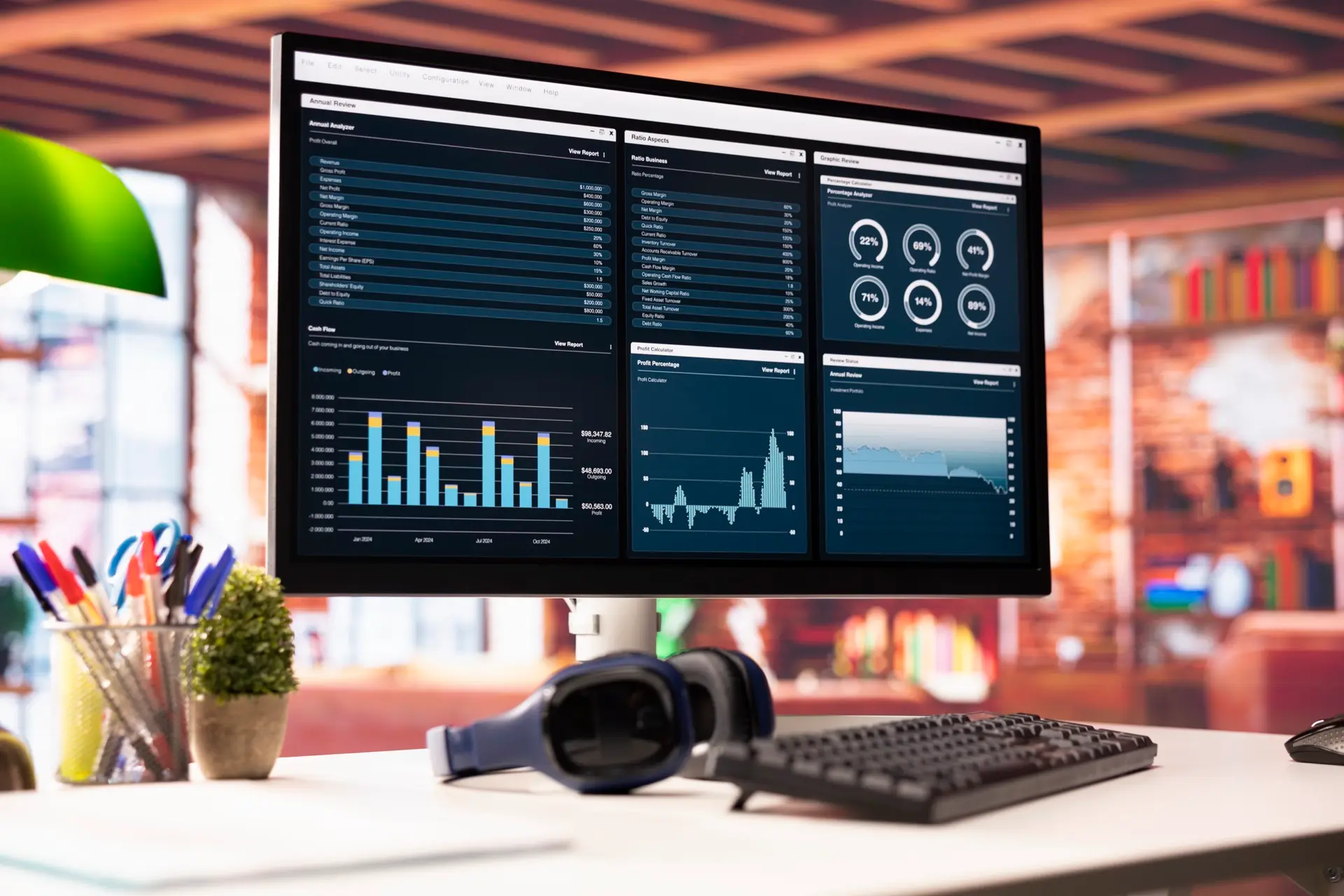
What custom software looks like for a small business.
Custom software conjures an image of a two-year platform build. Most of what helps a small business is narrower than that and lands in weeks.
The tool that replaces the spreadsheet
The one somebody rebuilds every month, with the formula nobody else fully understands and the tab everyone knows not to touch. It becomes something that just holds the number, and keeps holding it when that person is away.
A portal your customers can use
Instead of emailing you for status, then emailing again because nobody replied. Approvals, documents and history in one place they can reach at nine on a Sunday.
Usually pays for itself in the phone calls it stops.
The bridge between two systems
So nobody re-keys anything, and the two systems stop disagreeing about the same job. Often the cheapest project on this list, and the one that removes the most daily friction.
Frequently the answer instead of building something new.
Quoting that matches how you price
Not how the software thinks you should
Reporting you trust
One number, not three versions of it
The workflow only one person knows
Written down, and running on its own
Where it makes sense, AI does part of the work now: reading the messy input, drafting the summary, handling the first pass at something a person finishes. That widens what is worth building, because jobs that used to need a person watching them no longer do. It is also how a custom tool can sometimes replace a subscription you have been renewing without much thought. More on AI automation and where it earns its keep.
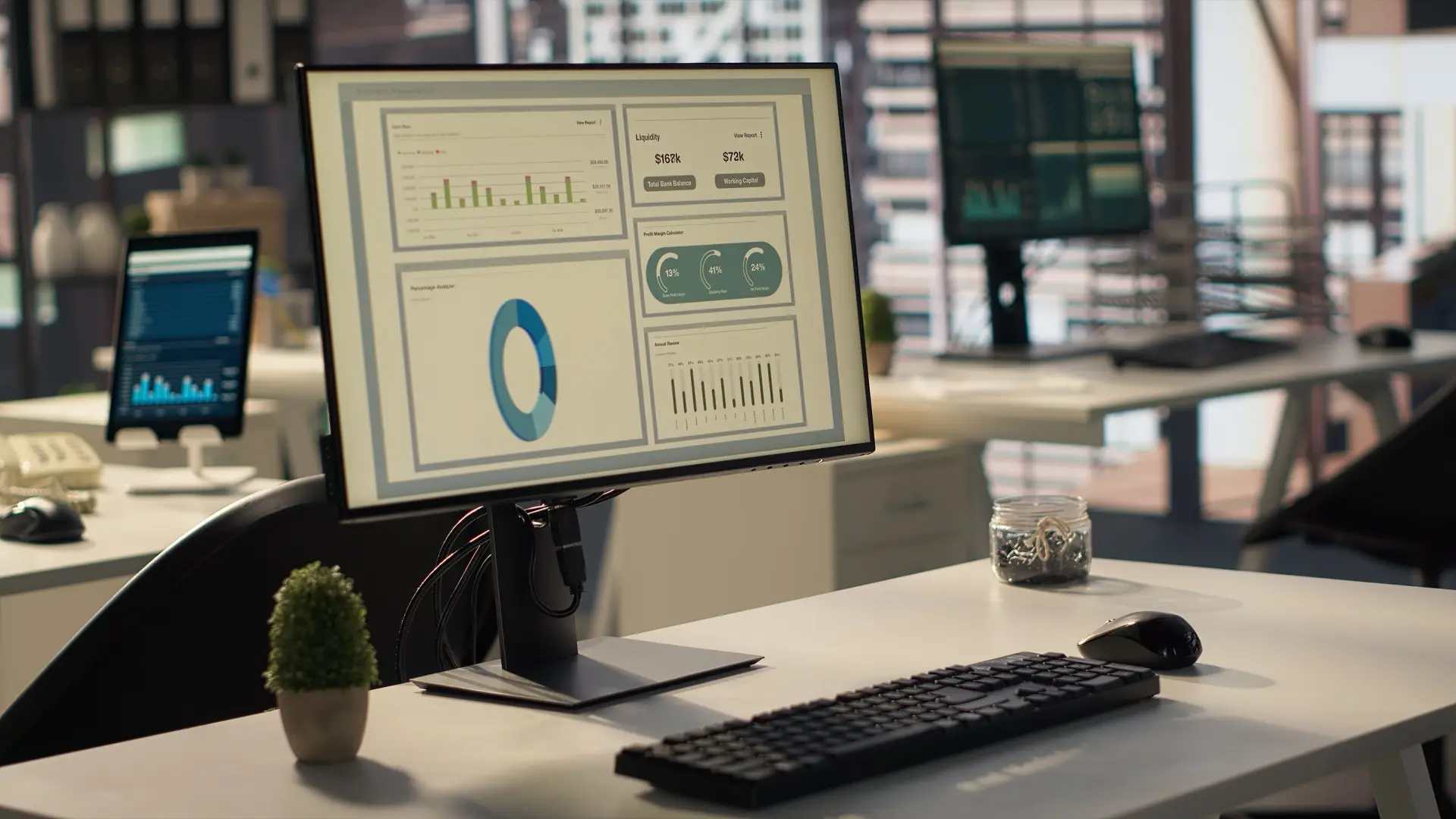
Web app, mobile app, or neither?
Most people who ask me to build an app have not yet settled which kind they mean, and the two are not close on cost, timeline, or how people end up using them. The honest split looks like this.
A web app is usually the right call
Native mobile earns its place
Your team works at a desk
Or anywhere with a browser
Customers touch it occasionally
Nobody installs an app for that
It has to change often
Ships the moment it is ready
It sits on systems you already run
Where the data already lives
It needs the device itself
Camera, GPS, push notifications
It is used on foot, all day
Field crews, drivers, technicians
It has to work without signal
A browser will not do that
Customers expect to find you there
The App Store is the front door
I build both, and the decision comes before any code does. Building a native app for an audience that was never going to download it is the most expensive mistake in this category, and it usually gets made early, in a meeting, because an app sounded like the more serious answer. If a page on your website would do the job, I would rather build you that.
One person who builds it and stays.
An agency puts a salesman in the discovery call and a junior developer on the build. An offshore team gives you a rate that looks unbeatable until you count the hours spent explaining your business across a nine-hour time difference. Both work for some companies. Neither is what a small business usually needs.
What you get here is the person who understood the problem writing the code, and still being there in a year when the business has changed and the software needs to change with it. That continuity is the actual product. It is also why I take on fewer projects than a firm would.
It matters that I also build the websites and run the marketing side. Custom software rarely lives alone: the tool that quotes the job usually needs to know where the lead came from, and the portal your customers log into is part of the same experience as the site that sold them. When those are built by different vendors, the seams are where things break.
See how this connects to web design and development, or to fractional CTO work if the real question is what to build versus what to buy.

The first useful version ships in weeks, not months.
If the first thing you can run is months away, the scope is usually wrong.
What the first few weeks look like.
Narrow, early, and in front of the people who will use it. Building in small pieces is what lets you change course while changing course is still cheap.
A shorter first conversation than you expect
Most of it is me asking what happens after the part that already works. Where the information goes next, who re-types it, what breaks when that person is on holiday. The answers arrive quickly once somebody asks properly.
The narrowest useful thing, in your hands
Not a prototype to admire. Something your team can run a real week on, early enough that changing direction is still cheap. Narrow is the point: it is the fastest way to find out what the plan got wrong.
Watch where people hesitate
The gap between how a process is described and how it works is where custom software goes wrong. The only reliable way to find that gap is to let people use something real and watch the moments they pause.
It grows where the use points
Rather than where the original plan assumed. Some of what seemed essential in the first meeting turns out to be nobody's priority. Something nobody mentioned saves an afternoon a week. Building in pieces is what makes that possible to notice.
Am I the right person to build this?
I would rather tell you now than three calls in. Here is where custom software is the answer, and where you are better off keeping your money.
Where I do my best work
Your systems Three of them hold pieces of the same customer, and your team is the glue
Your reporting Lives in a spreadsheet somebody rebuilds by hand every month
Your best process The thing you compete on, still running on one person's memory
Your scale Small enough that one senior person is faster than a team
Your timeline You want something usable in weeks, then grown from there
Afterwards You want the person who built it still answering the phone next year
Where I'm the wrong call
An off-the-shelf fit If a product already does this, buy it. I will tell you so on the call
A large build team Some projects need a firm with ten engineers. This is not that
Platform administration I build around your ERP or CRM. Running and supporting it stays with you
The lowest bid There is almost always someone cheaper, and often a good reason why
A fixed spec, unchanged If the scope cannot move once people use it, we will both be disappointed
Staff augmentation I take on the problem, not a seat in somebody else's sprint
Brands and businesses I've built for
















Most of what I build lands in manufacturing, marine and construction, where the process is specific enough that no off-the-shelf product quite fits it.
What people ask before they commit.
What does custom software cost?
Why not just buy off-the-shelf software?
How long does custom software take to build?
Who owns the software when it is finished?
What happens when it breaks, or when my business changes?
Can you work with the systems we already run?
Do you build mobile apps?
Do I need a mobile app or a web app?
Who do you work best with?
Not sure whether to build or buy?
That's usually the right first conversation, and it's a short one. Tell me what isn't fitting and I'll tell you honestly whether something off the shelf would do it.
An honest conversation about your goals, and a straight answer either way.